LIVING THINGS


We can find lots of different living things in our planet. We are going to learn about them and how they are organised.


1. Life on Earth.

The Biosphere  is the global sum of all ecosystems. It's the layer around Earth which holds life. There, we can find different types of organisms such as plant and animals.

All living things carry out the three life processes:

. 1 Interaction: living things detect information in their environment and react to it in different ways. Human beings use our sense organs to detect information; we communicate with each other, we move around and do many things.

. 2 Nutrition: living things take in essential nutrients from their environment. These provides them with the energy they need to grow and develop. We carry out nutrition by breathing, drinking water and eating food, as well as eliminating waste products.

3. Reproducction: it consists of creating new members of their own species, There are different types of reproduction. Human beings are mammals, so woman give birth to babies and they produce milk to feed them.

Characteristics of life. Beautiful!


What is biology? Let's sing!

2. Cells


LET'S WATCH SOME VIDEOS TO LEARN MORE ABOUT CELLS


      Songs:


GAME


3. From cells to systems. How are living things organised?

Let's learn and review!! Watch this video and play.

Your requests! 

- Learn more about bacteria.


- How did Louise Pateur made his discovery?
Pasteurization (or pasteurisation, see spelling differences) is the process of heating liquids for the purpose of destroying bacteria, protozoa, molds, and yeasts. The process was named after its creator, French chemist and microbiologist Louis Pasteur. The first pasteurization test was completed by Pasteur and Claude Bernard on April 20, 1862.


PLAY PASSWORD TO REVIEW!!!


EARLY MODERN SPAIN


BRUSH UP MIDDLE AGES


GUTENBERG'S PRINTING PRESS


GUESS ABOUT THE CATHOLIC MONARCHS


The Catholic Monarchs family tree


SOME VIDEOS...


WHAT DO YOU HAVE TO KNOW FOR THE TEST?


Middle ages

LET´S BRUSH UP PREHISTORY AND ANCIENT HISTORY


 MIDDLE AGES IN EUROPE


MIDDLE AGES IN SPAIN

WHAT WILL WE LEARN?


THE VISIGOTHS

The Middle Ages started on the Iberian Peninsula with the creation of the VISIGOTH kingdom.


THE MUSLIM CONQUEST OF SPAIN

Later the MUSLIMS invaded the Peninsula.


AL-ANDALUS


ARCHITECTURE IN AL-ANDALUS


From the 10th century Al-Andalus became a great cultural centre. Eminent doctors, writers, astronomers, mathematicians and philosophers such as Averroes and Maimonides lived in the cities of Al-Andalus.

TOLEDO: THE CITY OF THE 3 CULTURES


LIFE IN THE MIDDLE AGES


Christians and Muslims


LIFE IN AL-ANDALUS


THE CHRISTIAN RECONQUEST OFSPAIN


The Reconquista: every year.


LET'S REVIEW! PLAY JEOPARDY


ENERGY

WHAT WE WILL LEARN ABOUT ENERGY


SOME  SONGS ABOUT ENERGY

What is energy?


Kinetic and potential energy


THE STORY OF KINETIC AND POTENCIAL ENERGY


WHAT IS ENERGY?


TYPES OF ENERGY


RENEWABLE SOURCES OF ENERGY. HOW WE CAN SAVE ENERGY


HOW TO SAVE ENERGY


EXAMPLES OF TRANSFORMATION OF ENERGY


Reading about Energy!!!

https://onedrive.live.com/redir?resid=878C6BA3905F8A9E!1552&authkey=!ANr7tzLAumosYx4&ithint=file%2cpdf

The economy and the three sectors of the economy


WHAT WILL WE LEARN?

WHAT IS THE ECONOMY?


The economy is the system of using resources, buying and selling.

It is divided into three sectors:
       
         - Primary sector: provides raw materials from nature.
        - Secondary sector: uses raw materials to produce manufactured products.
        - Tertiary sector: provides services.


LET'S LEARN ABOUT THE THREE ECONOMY SECTORS


THE HISTORY OF AGRICULTURE


FROM COW TO CARTON


LEARN ABOUT HOW THINGS ARE MADE!!!

Glass artisan


Erasers


LEARN ABOUT SOURCES OF ENERGY


LET'S BRUSH UP!


Prehistory and Ancient History


HISTORY: WHAT IS THE TIMELINE?


PREHISTORY


PREHISTORY:
It’s the oldest and largest period of human history. It began with the origins of the human race and ended with the invention of writing.

PALEOLITHIC PERIOD
  • They were nomads (move);
  • They lived by hunting, fishing and gathering plants;
  • They learnt to use fire and make tools; and
  • They started to use language, religious beliefs and art.


NEOLITHIC PERIOD
  • They are sedentary (stayed in 1 place) and they built towns;
  • They leant to cultivate plants and raise animals
  • They made products like pottery, cloth and baskets


THE METAL AGES
  • They used metals like: copper, gold, silver, bronze, iron, tin;
  • They used the metals to make jewellery, tools and weapons;
  • They could travel faster with sails;
  • The towns became cities and life was easier.


Watch these videos to learn about prehistory!


DO YOU FIND PREHISTORY INTERESTING? 
KEEP LEARNING WITH THESE VIDEOS!!!!!

STONE AGE TOOLS AND WEAPONS


THE INVENTION OF THE WHEEL


THE USE OF FIRE


THE AGE OF METAL


ALTAMIRA, DISCOVER THE CAVE!


PREHISTORIC ART IN CANTABRIA


ATAPUERCA, ARCHEOLOGISTS AT WORK!


ANCIENT HISTORY


ANCIENT HISTORY:
 It began with the invention of writing and ended with the fall of the Roman Empire.
-Along large rivers: major civilization developed (Mesopotamia, Egypt, India and China).
-Around the Mediterranean Sea: ancient civilizations developed (Greece and Rome)


1.GREEK CIVILIZATION

ANCIENT GREECE
Prosperous cities: Sparta and Athens
They sailed on boats, bringing their culture to other people.
They invented democracy.
They were interested in philosophy, art and science.

2. THE ROMAN EMPIRE

THE ROMAN EMPIRE
Rome was the capital of the empire. It lasted for 1,000 years.
They had a powerful army so they could conquer many territories.
They spoke Latin.
They built cities and monuments (e.g. aqueducts).


How much can you remember about Prehistory and Ancient History?
Let's play password!!


LET´S REVIEW PREHISTORY AND ANCIENT HISTORY

Take a time machine with us and travel in time!!!!.
We will go as far as prehistory where there was no TV, no mobile phones and no mindcraft or fortnite!!!!!


HEAT AND LIGHT

LIGHT ENERGY

WHAT IS LIGHT?

Some videos about light


WHITE LIGHT


How are rainbows formed?


How does reflection occur?


LIGHT SONG


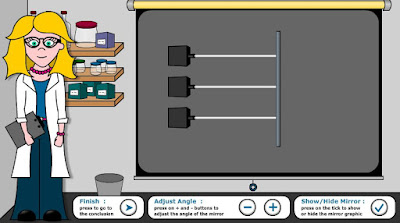
TRY THIS EXPERIMENT


THERMAL ENERGY


WHAT IS HEAT OR THERMAL ENERGY?


Interesting web page about energy


HEAT CAUSES EXPANSION IN MATERIALS


What are bimetallic strips? What are they used for?


CHANGES IN STATE PRODUCED BY THERMAL ENERGY


FIND EXTRA INFORMATION VISITING THIS WEB PAGE


HOW IS THERMAL ENERGY TRANSFERRED?


CONDUCTION: when two objects are in contact thermal energy is transferred from one object to the                              other.
CONVECTION: thermal energy travels through a gas or a liquid by convection. Molecules move in                                a circular way.
RADIATION: thermal energy can be transferred through space.


HEAT TRANSFER EXPERIMENTS


CONDUCTION


HOT WATER / COLD WATER


CONVECTION EXPERIMENTS


HERE ARE SOME VIDEOS ABOUT HEAT TRANSMISSION


LET´S SING!!! 
CHOOSE THE ONE YOU LIKE THE MOST!!!


LET´S PLAY!!


ELECTRICITY 


WHAT'S ELECTRICITY? CLICK AND DISCOVER


ATOMS


SOME FACTS ABOUT ELECTRICITY


ARE YOU SURE YOU'RE DOING WELL AT SAVING ENERGY?
TAKE THIS QUIZ AND GUESS


GAMES


Circuits


More guessing games


VIDEOS

ATOMS


ELECTRICITY


HOW ELECTRICITY IS PRODUCED


HOW DOES ELECTRICITY GET  TO YOUR HOME OR SCHOOL?


ELECTRICITY AND CIRCUITS


LEMON BATTERY


LET'S SING


Population

International migration


Nowadays, in Spain and in other countries people need to emigrate because of different reasons. Life can be difficult for them. We should help them to adapt to their new country, and respect each other.
You can see here some examples of children who emigrated from their countries.


How  population changes second by second around the world,,,

WHAT WILL WE LEARN IN THIS UNIT?